



Critical Recognition of Work
BAFTA Children's Game Award 2015 Nominee
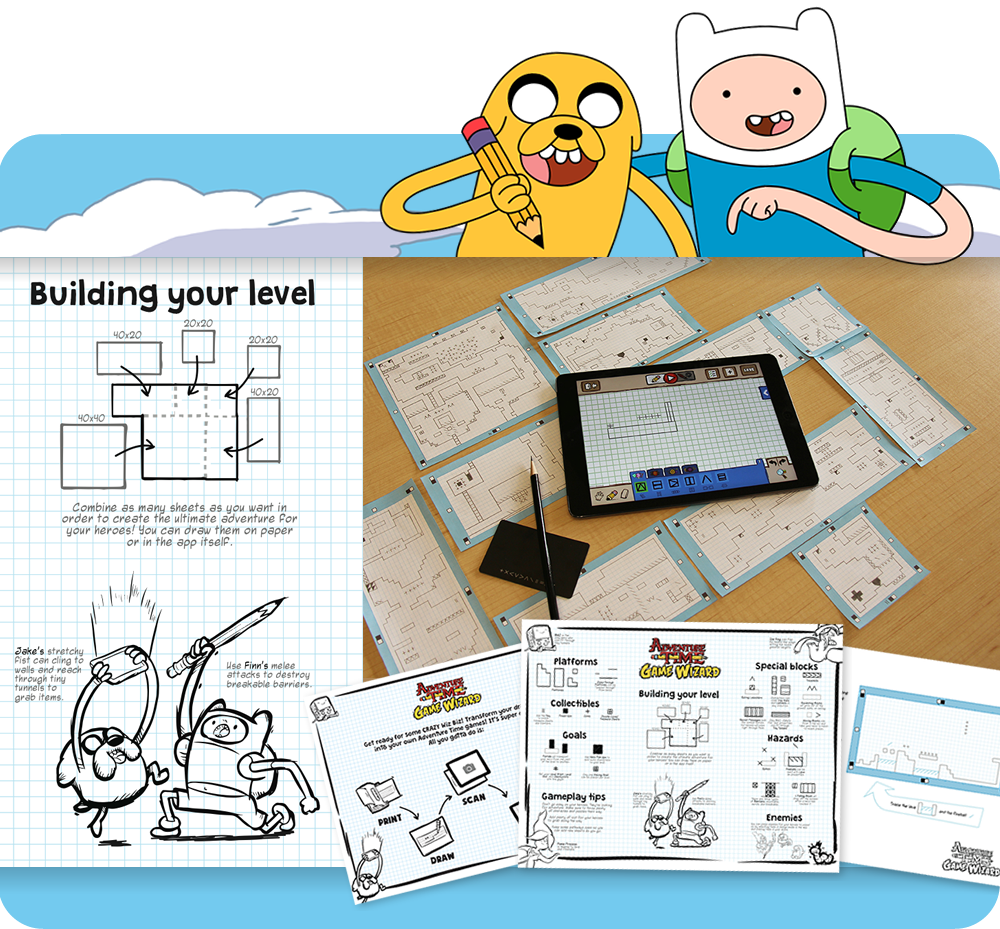
Adventure Time: Game Wizard
Nintendo Direct featured Nindie
Hive Jump
Winner of Popular Science presents the Best of New York Toy Fair 2015
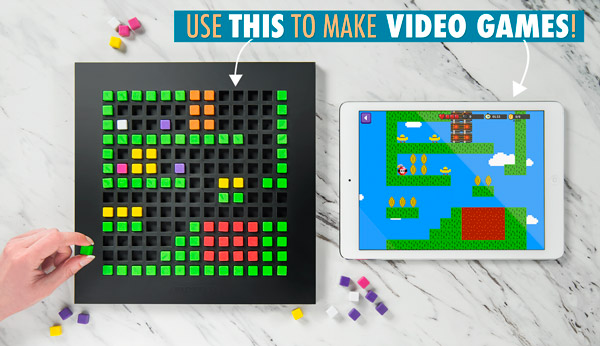
Bloxels: The Hands-on, Brains-on Video Game Builder
National Geographic Kids (December 2015/January 2016) - Featured in "5 Smart Toys"
Bloxels: The Hands-on, Brains-on Video Game Builder
Winner of KidScreen Awards 2016 Best Tablet Game
Adventure Time: Game Wizard
American Association of School Librarians - Best App for Teaching and Learning 2015
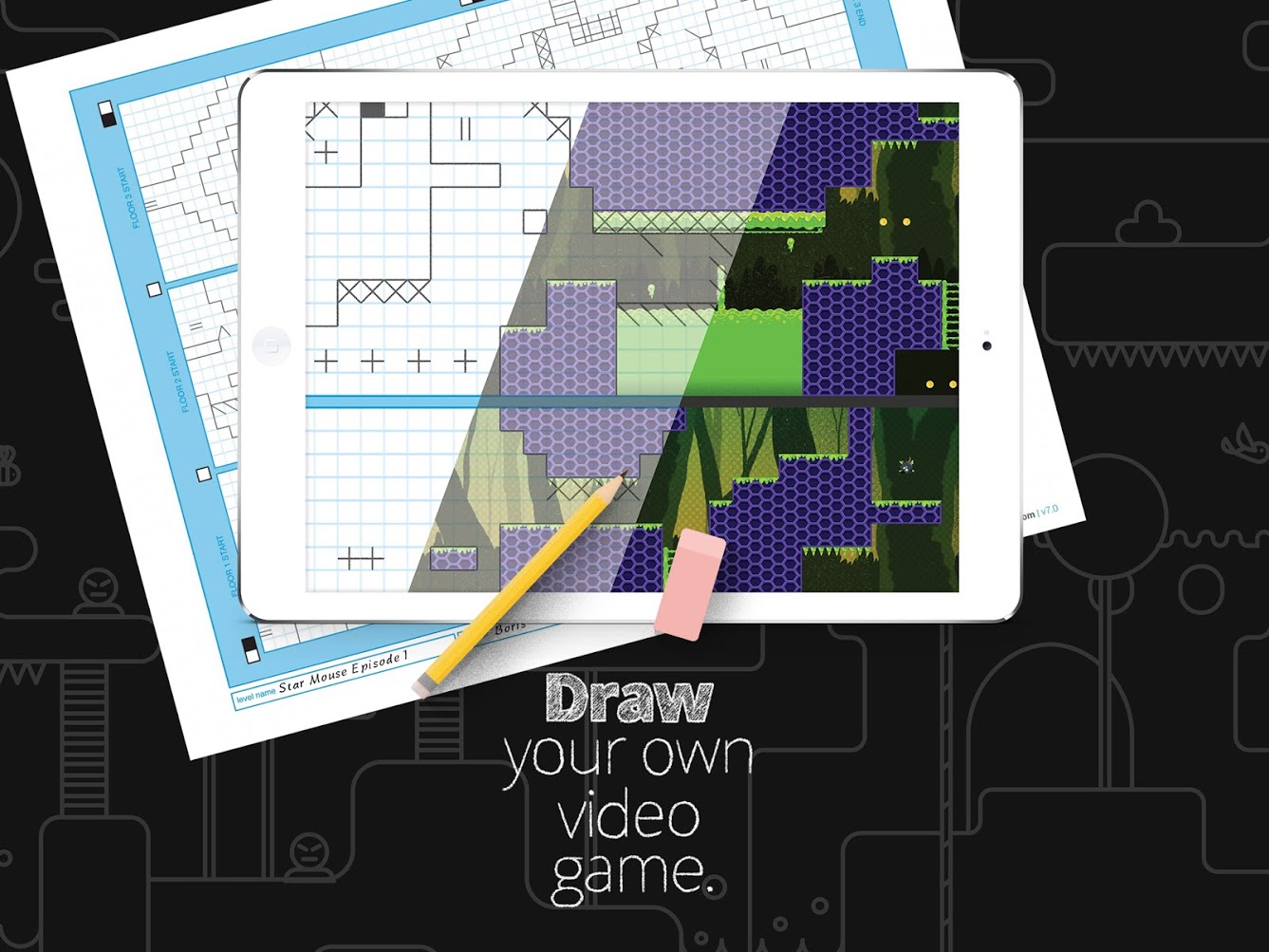
Pixel Press Floors: Draw Your Own Video Game
St. Louis Business Journal - Innovation Awards 2014
Pixel Press Floors: Draw Your Own Video Game
Ranked #1 on overall App Store in 1 Country; #1 in Kids Category: 57 Countries; #1 in Kids, 9-11: 92 Countries, #1 in Games: 7 Countries
Adventure Time: Game Wizard
Featured by Apple in Best of January - Great Games
Adventure Time: Game Wizard
Top Banner Featured by Apple on the iTunes homepage
Adventure Time: Game Wizard
About

Game Designer, Software Developer, University Professor, and Entrepreneur
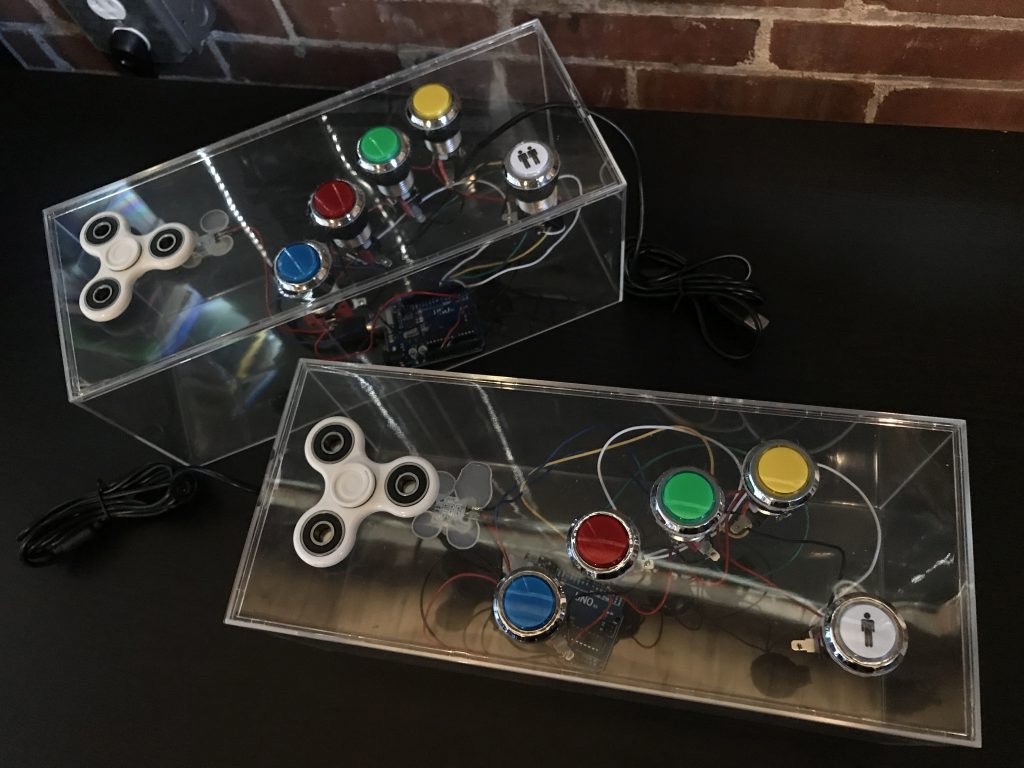
I make games, apps, and interactive exhibits. My personal passion revolves around exploring unique and unexpected interactions via custom hardware and experimental controllers/interfaces. I am honored to share my experiences back to the community at Washington University in St. Louis and Maryville University.
Public Speaking and Presentations
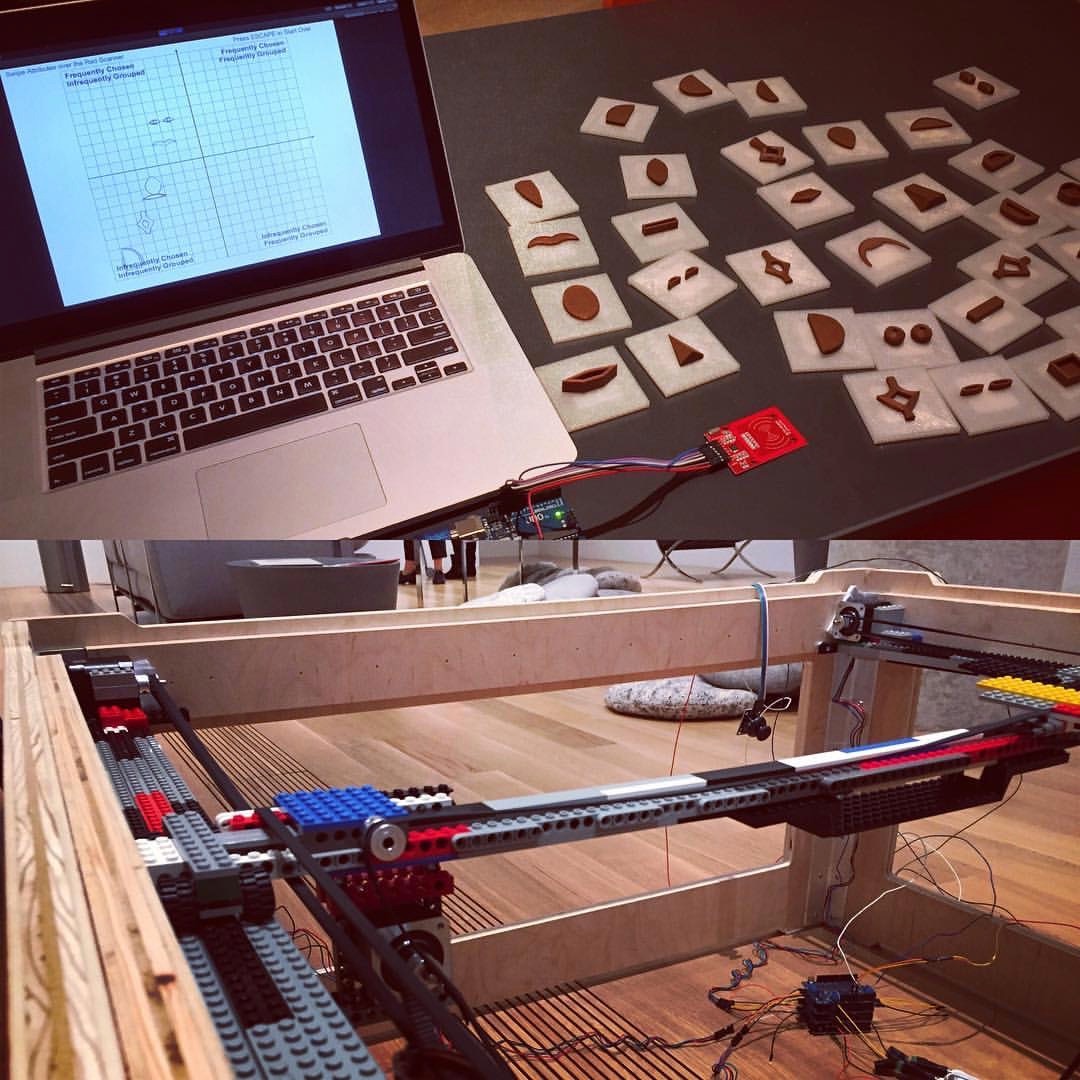
Robotics and Data Trends with User-Generated Kota
Pulitzer Arts Foundation
Learn to Make Games
MysteriumCon, The Annual Myst Celebration
Creative Experience Workshop - Roll-a-Ball!
St. Louis Public Library 2019
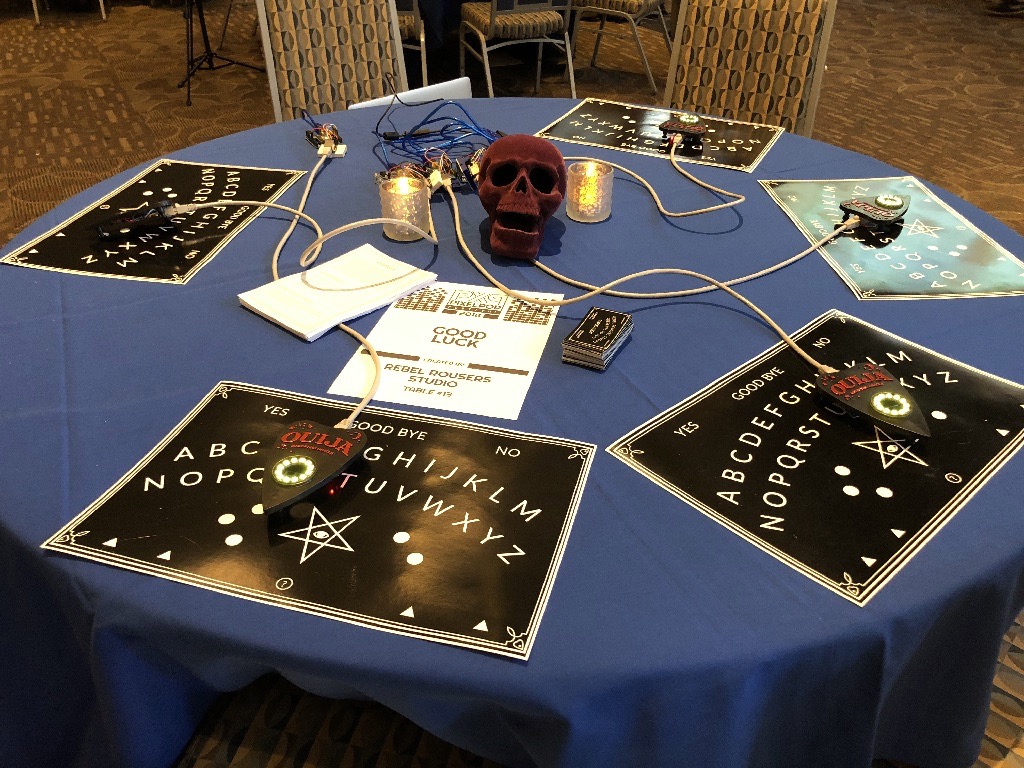
Magic or Science? Spooky Narratives and Electronic Ouija Boards
Bright Ideas Expo, St. Louis Science Center 2018
Keynote Speaker on Game Design
Kinematifest 2017, Webster University
The Power of Language and Narrative in Games
Kinematifest 2016, Webster University
Can Games Change the World
Venture Cafe
Experimental Play and the Growth of Games
Venture Cafe
Games as Tools for Education
Venture Cafe
Game Development in St. Louis
StartLouis
Nintendo Entertainment System Game Development - A Postmortem
St Louis International Game Developers Association
Kickstarter Stories
St Louis International Game Developers Association
Spooky Narratives and Electronic Ouija Boards
St Louis Game Developer Co-op 2018
The Physics of Project Management
St Louis Game Developer Co-op
Game Design Document Debates
St Louis Game Developer Co-op
Game Developers Conference Wrap-up Roundtable
St Louis International Game Developers Association
Asymmetric Gameplay Design
PixelPop Festival
Games - What’s the Point?
PixelPop Festival
Made in St Louis
PixelPop Festival
Teaching Games
PixelPop Festival
Hacking Hardware
PixelPop Festival
How Games Change the World
Wizard World - Comic Con STL, Nerd for a Living
Education and Jobs in Game Design
North County Forever - Microsoft Store
Careers in Games
Washington University College Prep Program
Careers in Games
T-REX Innovation and Entrepreneur Development Center
Careers in Games
GlobalHack 2018
Careers in Games
GlobalHack 2017
Education
Southern Illinois University, Edwardsville
Bachelor of Science (BS)
Computer Management and Information Systems
Business Administration (Entrepreneurship)
- Graduated Magna Cum Laude
- Phi Kappa Phi (PKP)
- Beta Gamma Sigma (BGS)
- Collegiate Entrepreneurs' Organization (CEO)
University of North Texas
Entrepreneurship
Business Computer Information Systems
- Honors College
Résumé
Selected Professional Experience
Founder
The Make-Play Company
2018 - Present
The Make-Play Company specializes in interactive media creating video games, interactive exhibits, websites, and mobile/desktop applications.
Game Developer
Oct 2022 - Present
"Game Developer in Residence" with Google Arts & Culture.
Game Developer
Graphite Lab
2016 - Present
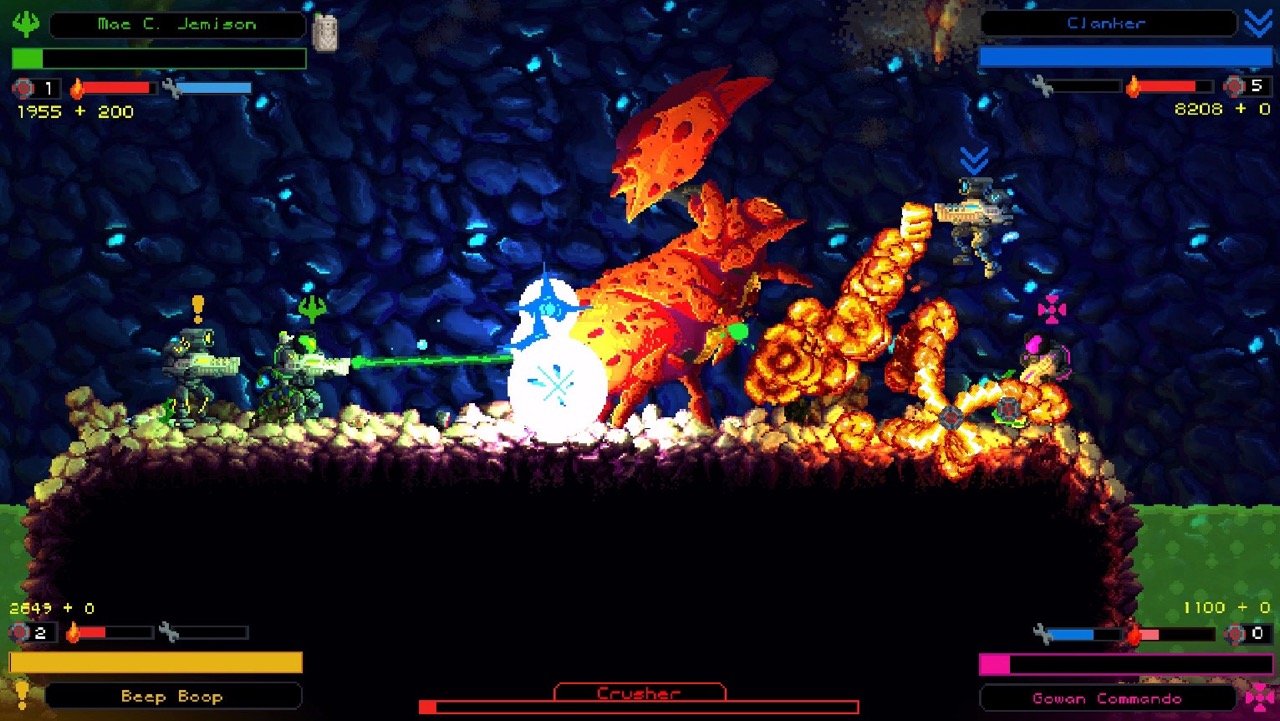
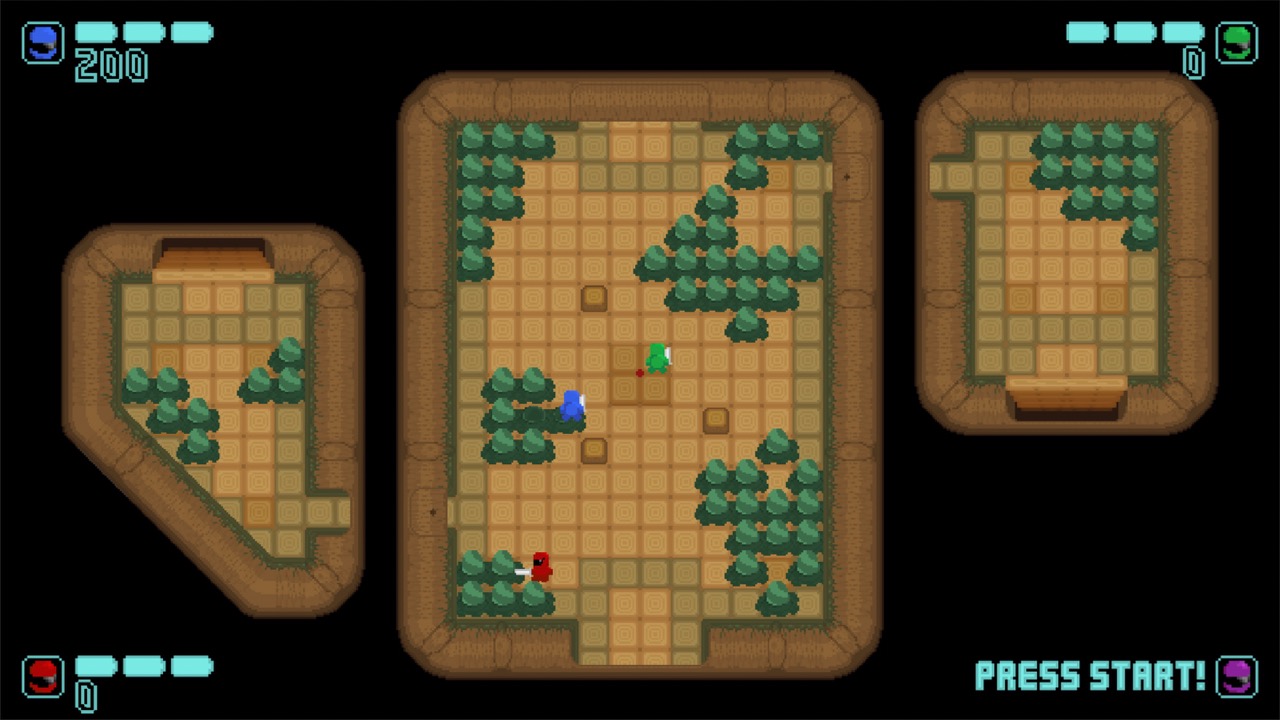
- Nintendo WiiU Console port development/optimization of Nintendo Nindie-featured "Hive Jump" (PC/Mac/Linux/WiiU)
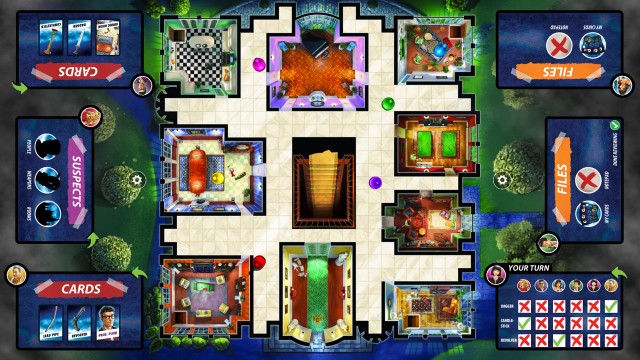
- Lead developer for Hasbro's "Clue" on the Arcade1Up Infinity Game Table
- Lead developer for Hasbro's "Guess Who" on the Arcade1Up Infinity Game Table
- Lead developer for AppleTV port of "Tonka - Trucks Around Town"
- Lead developer for TOMY's "Doodle Bear Studio" on iOS
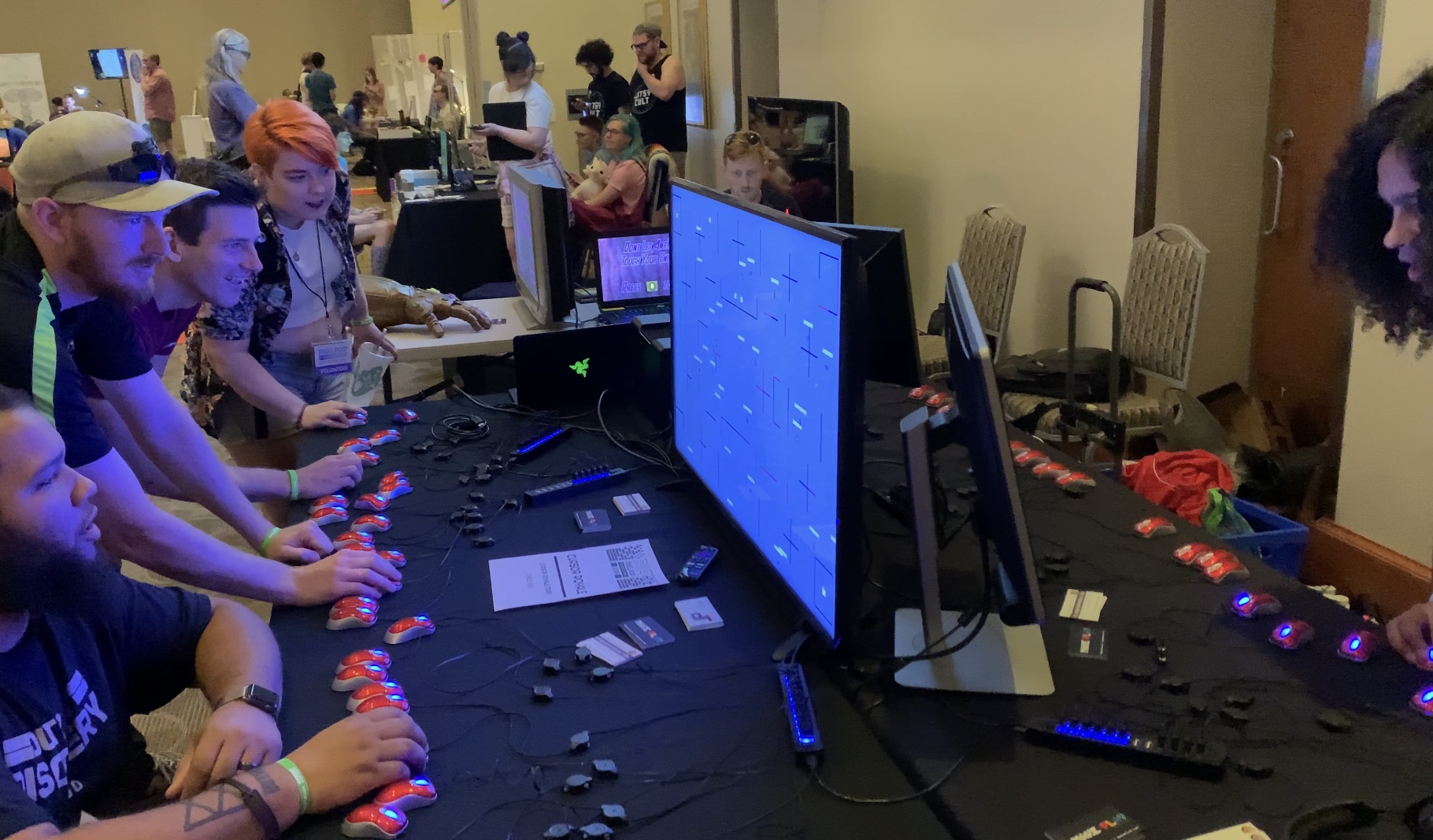
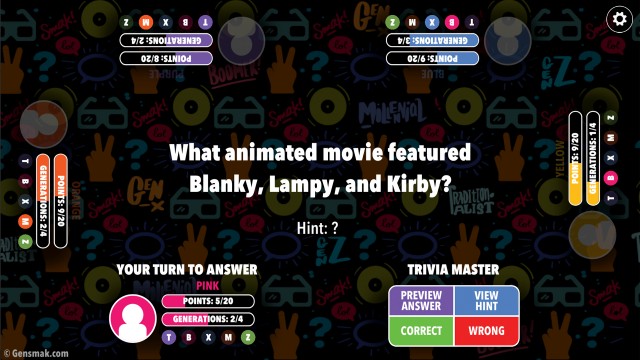
- Lead developer for "Gensmak" on the Arcade1Up Infinity Game Table
- Lead developer of corporate edutainment game for a major logistics company client
- Troubleshooting of graphical shaders in ShaderLab
Game Designer, UIUX Developer, Lead Game Developer
Pixel Press Technology, LLC
2013 - 2015
Adventure Time: Game Wizard (iOS/Android)
- BAFTA Children's Award 2015 Nominee
- Won KidScreen Awards 2016 Best Tablet Game
- Ranked #1 on overall App Store in 1 Country (#1 in Kids Category: 57 Countries; Kids, 9-11: 92, Games: 7)
- Featured by Apple in Best of January - Great Games
- Top Banner Featured by Apple on the iTunes homepage
- Draw your own Adventure Time video game to play and share with your friends!
- Developed in partnership with Cartoon Network and Grumpyface Studios
Pixel Press Floors: Draw Your Own Video Game (iOS)
- American Association of School Librarians - Best App for Teaching and Learning 2015
- St. Louis Business Journal - Innovation Awards 2014
- Draw your own platformer levels on graph paper, scan it with your mobile device, customize it, and share.
Bloxels: The Hands-on, Brains-on Video Game Builder (iOS/Android/PC/Mac)
- National Geographic Kids (December 2015/January 2016) - Featured in "5 Smart Toys"
- Won Best of New York Toy Fair 2015 presented by Popular Science
- Use physical blocks to build customizable video games. Create a layout on the gameboard. Scan it on camera. Customize it in the app, test it out, and then, challenge your friends to beat each other's creations.
Bloxels Builder (Kickstarter Prototype)
- Music Maker
- Stop Motion Animator
- 3D Modeler
- Fireworks Show Board
Lead Game Developer
The Rampant
2021 - 2022
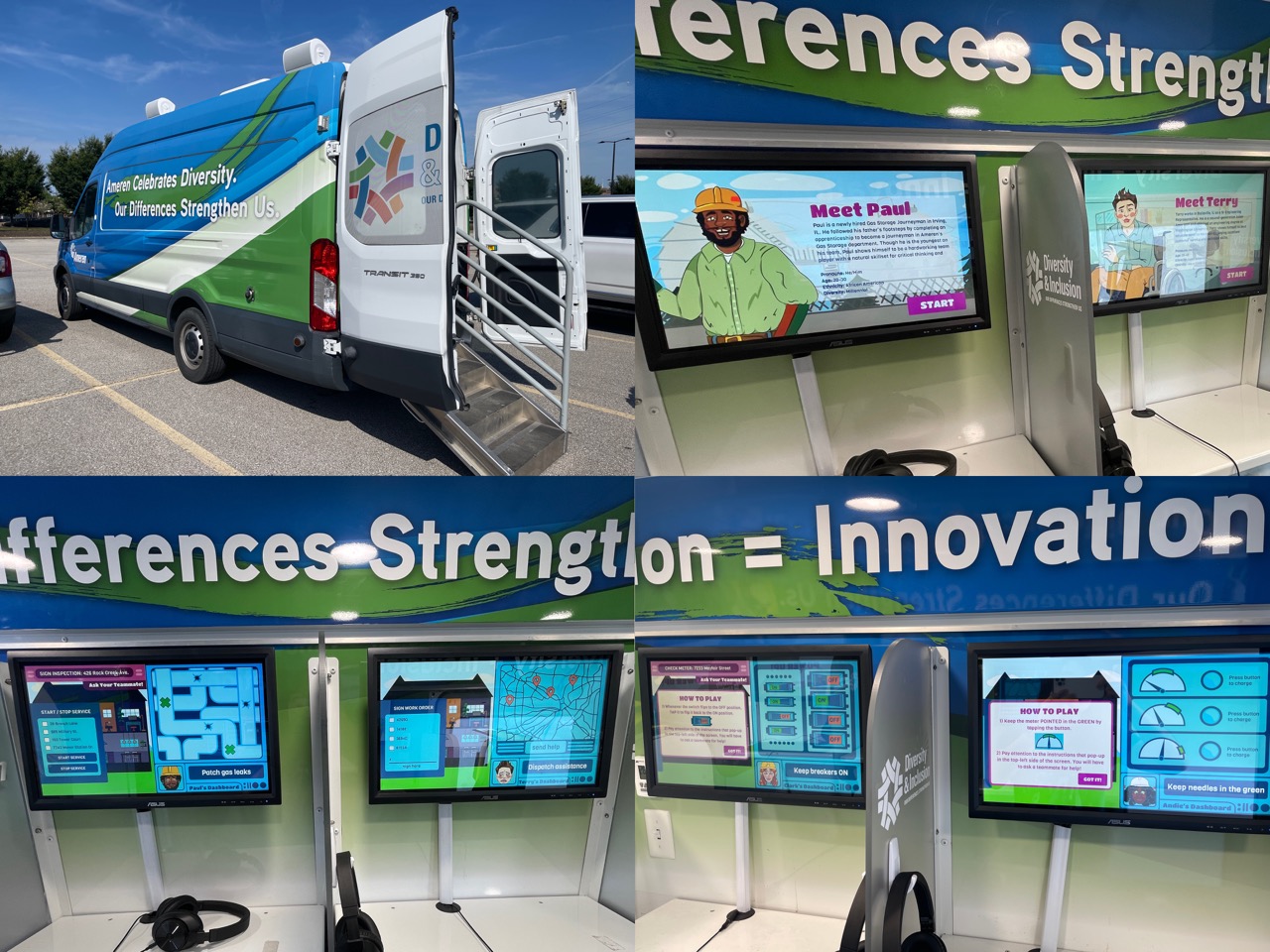
"Ameren Inclusion Cruiser" for Ameren Electric Corporation
- The "Ameren Inclusion Cruiser" is a touring cooperative multiplayer touchscreen gameplay experience. Up to 6 players cooperate to restore power to their neighborhood by supporting each other’s unique minigames at each of their networked stations.
Lead Mobile Developer
Covie
2022 - Present
Covie is a Y Combinator-backed software development company that builds tools for developers and innovative business leaders that make working with the insurance industry easier.
- I lead mobile development for the App Store launch of AirJuster, which connects insurers to the best, readily available, most cost effective adjusters to assist with their claims, while helping adjusters maximize the number of claims they can close.
Lead Game Developer
Century Game Company
2021 - Present
I lead game development and perform ongoing maintenance of existing productions such as:
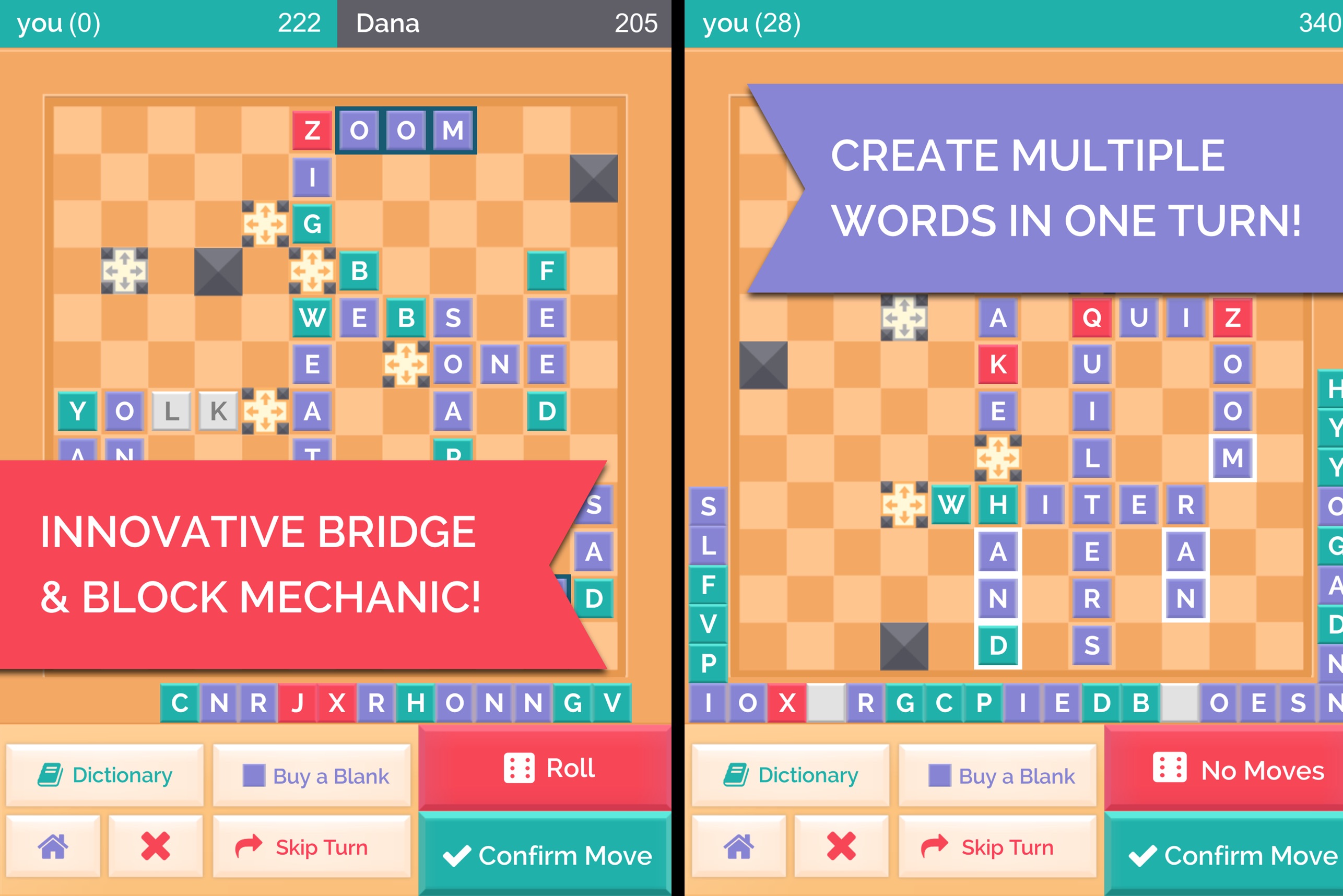
- Word Addiction
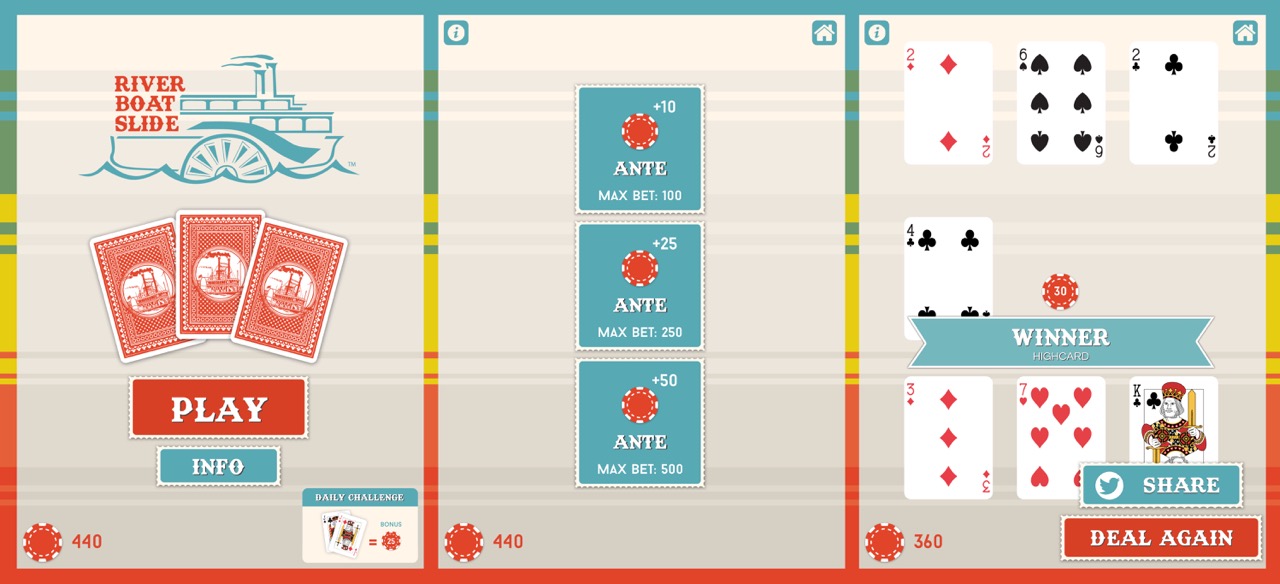
- RiverBoat Slide
- RiverBoat Switch
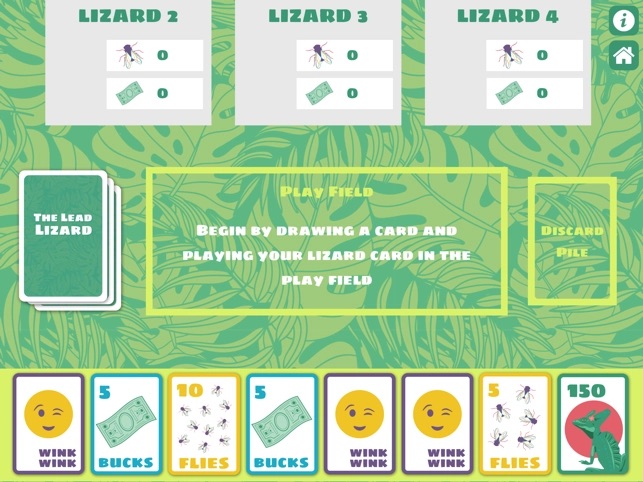
- Lead Lizard
- Screw the IRS
Curatorial Advisor
PixelPop Festival
2019
PixelPop Festival is a game conference and expo in St. Louis, Missouri, that celebrates unique games and the many people who make them possible.
Interactive Exhibit Design and Software Development
Osborn Barr
2016 - 2017
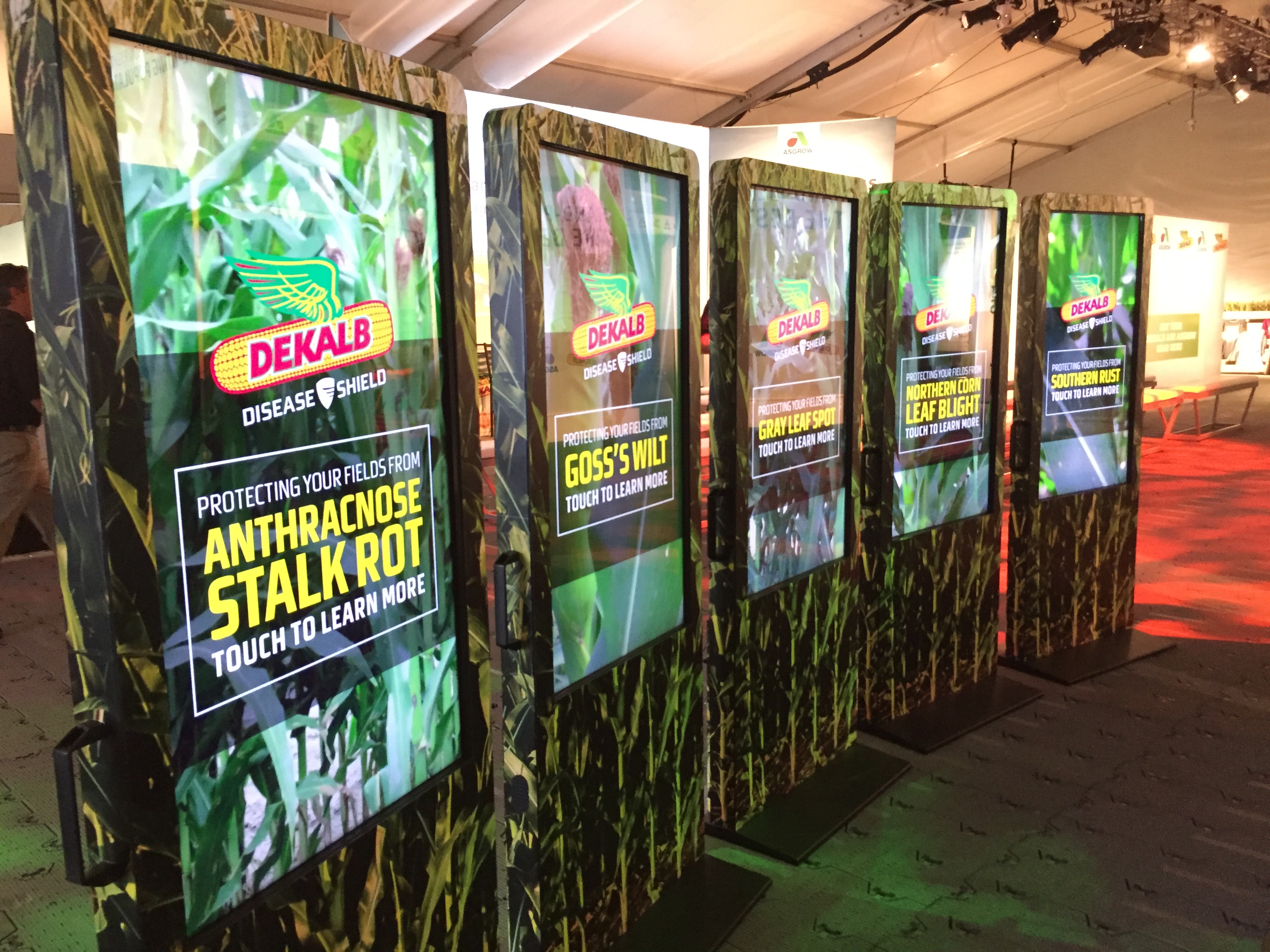
- Designed hardware implementation and sourced components for an interactive digital exhibit to debut at Farm Progress Show 2016
- Lead software development for bringing copywriter and artist visions to life in an interactive digital exhibit composed of ten kiosks, each featuring unique content on a 55-inch touch-enabled display
Senior Developer
Optaros
2016
- Developed voice interaction and natural language intent recognition for handling spoken commands in an uncontrolled environment
- Bridged gap between voice commands and responses driven by web services and databases
- Developed software for integrated hardware (BeagleBone, Arduino, Raspberry Pi) for deployment as a "Smart"-class device
- Provided expertise in a variety of languages and software-as-a-service (SaaS) cloud computing platforms including C, Python, Google App Engine, and Amazon Web Services
Lead Developer, Mobile App Developer, Web/Database/API Developer, Web Designer
Pagokids
2016
- Developed cross-platform mobile application using Xamarin
- Collaborated with company leads on user experience (UX) implications of app interface
- Developed and deployed functionality and responsive web design of company website
- Engineered application program interface (API) and database for device synchronization and online storage of app data
- Generated informative and audience-appropriate statistical summaries from database
- Maintained regular communication with company audiences through newsletters of usage summaries
- Provided ongoing web hosting and management services
- Conducted usability testing and troubleshooting during use with audience of teachers and students at a private kindergarten
Robotics Specialist in Residence
Pulitzer Arts Foundation
2015 - 2016
- Game Designer and Robotics Specialist in Residence for the week ending February 27, 2016
- Guest exhibit collaborator and presenter with The Rampant Interactive
- Collaborated on mechanically-driven data visualization exhibit and presentation on the analysis of attributes of visitor-created African Kota Reliquary figures
Founder
teamPixel
2005 - Present
teamPixel is a multimedia development company built on a long history of client services providing web, mobile, and desktop application design and development solutions.
Twitch Developer, Web Developer
Level Zero
2016 - 2017
Developed livestreaming presentation tools integrating Twitch and StreamTip
Web Developer
The Rampant
2016
Automated testing for web applications using the Selenium Tools Suite
Web Developer, Web Designer
ALIVE Magazine
2015 - 2016
Front-end web development and design implementation for #ALIVEnext rebranding
Web Development and Design
Preferred Systems Solutions
2013 - 2014
- Security Clearance and Military Contractor role
- Designed web-enabled interactive training and content management systems
- Utilized Symfony2 MVC PHP architecture
- Worked with PHP5, HTML, CSS, and Javascript (including jQuery)
- Maintained and updated public-facing government websites
Project Management, Development Lead
Inside Interactive, Inc.
2012 - 2014
- Managed project planning and deliverables based on product discussions with Founder and CEO
- Revised graphic design materials from marketing artists and converted to web-appropriate formats
- Coordinated with iOS development team to integrate programming efforts and reduce redundancy of programming tasks
- Supplied materials and training to marketing artists and iOS development team unfamiliar with web graphics and cross-platform web services
- Developed with Facebook and Stripe Payment Processor APIs
- Utilized Symfony2 MVC PHP architecture
- Worked with PHP5, HTML, CSS, and Javascript (including jQuery)
Development Lead
Esparcus LLC
2012 - 2014
- Utilized Symfony2 MVC PHP architecture
- Worked with PHP5, HTML, CSS, and Javascript (including jQuery)
Web and Mobile Applications Development
Wang Gang Asian Eats
2011 - 2012
- Mobile application planning and iOS development
- Web design
- HTML, CSS, PHP, and Objective-C
- Successfully launched company's first mobile game to cross-promote with their new beverage line
Web Developer, Web Designer
The Loud Few
2010
- Worked as an independent contractor supporting The Loud Few in graphic design, web development, and troubleshooting/QA specialties
- Utilized HTML, PHP, and Javascript
- Notable clients include Sauce Magazine and Chick Peas Co.
Account Manager, Lead Developer
Staghosting
2002 - 2006
- Responded to customers’ support queries and web hosting requests
- Managed customer account creation and maintenance
- Ensured proper server functionality during an assigned time zone
- Programmed company’s customer management and usage policy compliance system
- Programmed using HTML, PHP, and MySQL and installed various 3rd party PHP scripts
- Utilized cPanel and Ensim Web Server Control Panel for server management
Hospital Volunteer
American Red Cross
2002 - 2005
- Transferred old paper-based filing system to an entirely electronic storage system
- Managed spreadsheets and databases using Microsoft Excel, Access, and proprietary military terminal systems
- Maintained confidential medical documents in accordance with HIPAA regulations
- Input patient and referral data into computer systems
- Contacted patients to verify receipt of medical products
- Delivered documents to various departments throughout the hospital
Community Leadership
Board of Directors
St. Louis Game Developer Co-op
2018 - Present
The St. Louis Game Developer Co-op is a non-profit that provides events, support, resources, and networking opportunities for game makers for the purpose of promoting game-creation in St. Louis, Missouri metro area.
- Co-President (2021 - Present)
- President (2019 - 2020)
- Vice Chair (2018 - 2019)
Educator Experience
Associate Instructor
Maryville University of Saint Louis
2017 - Present
College of Arts and Sciences
- Art & Interactive Design 497 - Special Topics: Advanced Applications in Game Design
- Art & Interactive Design 425 - Applications in Game Design
- Art & Interactive Design 410 - Web Design II
- Art & Interactive Design 405 - Scripting for Games and Apps
- Art & Design: Art History 328 - History of Video Game Design
Adjunct Instructor
Washington University in St. Louis
2018 - Present
School of Engineering & Applied Science
- Computer Science and Engineering 400E - Advanced Video Game Programming (Independent Study)
- Computer Science and Engineering 451A - Video Game Programming II
- Computer Science and Engineering 450A - Video Game Programming
Adjunct Assistant Professor
Webster University
2016 - May 2019
School of Communications
- MEDIA COMMUNICATIONS 4620 - Senior Overview
- GAME THEORY 4600 - Video Game Production
- GAME THEORY 4500 - Video Game Design II
- GAME THEORY 4000 - Video Game Level Design
- GAME THEORY 3500 - History of Video Games
- GAME THEORY 3150.05 - Game Design - Custom Hardware and Alternative Controls
- GAME THEORY 3150.06 - Global Game Jam
- ANIMATION 3150.02 - Global Game Jam
Lead Instructor - Game Development and Design
GlobalHack
2017
"In this course, students will learn the basics of game development, including sprite or character design, level construction, and other tools. Then they will create their own game’s events, rules and more, teaching them computational thinking and programming along the way!"
- Youth Coding League Mentor 2017
- University of Missouri-St. Louis (UMSL) - Summer Camp 2017
Graduate Research and Teaching Assistant
Southern Illinois University Edwardsville
2012
- Assisted in faculty-led research and writing for publication
- Developed classroom and workshop teaching materials
- Created web-based teaching tools